
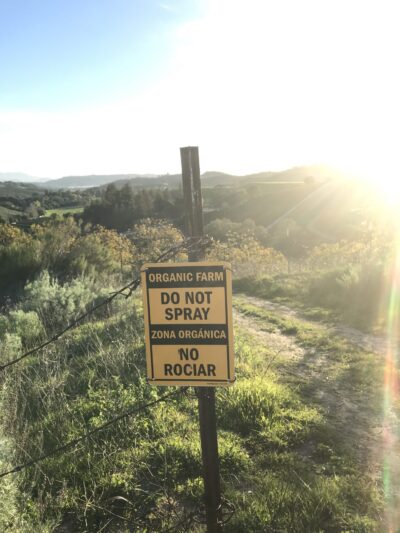
 The report from California Certified Organic Farmers organization (CCOF) titled Roadmap to an Organic California shows that organic food grown in California is far more than a label—it is proven to not only benefit the health of the consumers and farmworkers but also offers an evidence-based solution to today’s economic, environmental, and social challenges.
Drawing on decades of peer-reviewed research, the report demonstrates that organic farming builds healthier soil, protects water, supports biodiversity, and helps mitigate climate change through carbon-sequestering practices.
Growing organic food strengthens local economies, creates jobs, supports the next generation of farmers, and contributes to a secure, resilient food system.
Despite strong consumer demand, organic farming still represents only a small fraction of California agriculture.
Organic food offers benefits that extend beyond personal health to the land, water, and communities that produce it.
Grown without synthetic pesticides, herbicides, or fertilizers, organic crops reduce chemical exposure for farm workers and consumers while protecting soil and groundwater from contamination.
Organic practices build living soil—rich in microbes and organic matter—which improves water retention, resilience to drought, and long-term fertility.
These systems support biodiversity, from pollinators to beneficial insects and wildlife, creating healthier ecosystems around farms.
For eaters, organic food often means fewer residues, greater transparency, and a closer connection to how food is grown.
At a larger scale, organic agriculture helps create a more resilient, climate-adaptive food system—one that regenerates land rather than depleting it.
The Roadmap makes clear that expanding organic practices is one of the most effective ways to protect land, people, and the future of food.
Download the report here: Data to Support Benefits of Organic Food.