



Description
Fresh California organic garlic bulbs, cured after harvest and shipped to your door.
We ship whole bulbs of California-grown certified organic garlic. Garlic is sold by weight, so the number of bulbs in your order will depend on their individual sizes.
California-grown and certified organic garlic bulbs.
This garlic is certified organic and grown in California. No wax or edible coating is applied after harvest.
Organic certification regulates how garlic is grown and handled. It does not require every bulb to have the same size, color, shape, or appearance.
What should I expect?
Garlic is a natural agricultural product. Your order may include variation in:
- Bulb size and shape
- Number and size of cloves
- White, cream, tan, or purple-streaked skins
- Stem and root length
- Minor surface discoloration
- Amount of dry, papery skin
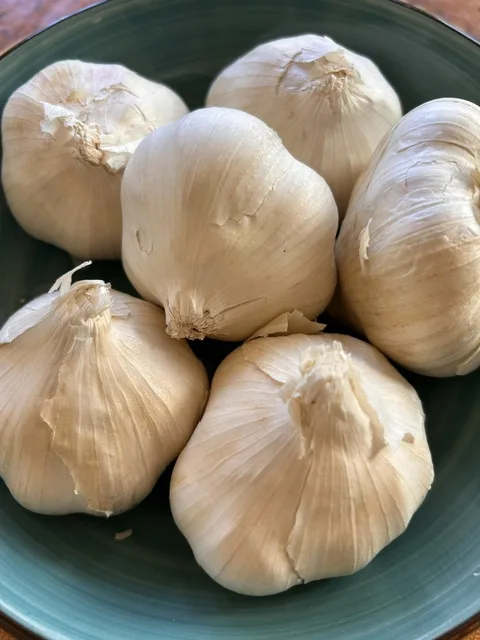
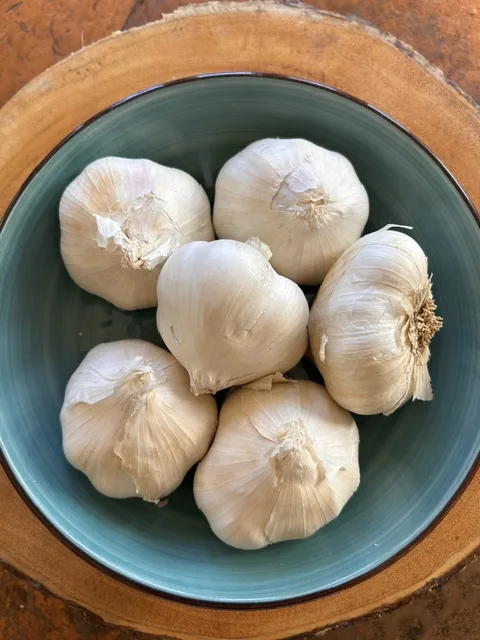
We do not select garlic for cosmetic uniformity. Loose or peeling outer skins are a normal result of curing, packing, and shipping and do not indicate that the cloves inside are spoiled.
Photographs illustrate the garlic we offer but do not guarantee the exact size, color, or appearance of a future shipment.
Why is garlic cured?
After harvest, garlic is allowed to dry so that its neck and protective outer skins can cure. This process prepares the bulbs for storage and produces the familiar dry, papery wrapper.
As the season advances, the outer skins may become looser and the cloves may become easier to separate. Garlic is also a living bulb and may eventually begin to sprout. These natural changes do not necessarily mean that it is spoiled.
How should organic garlic be stored?
Remove the garlic from its shipping packaging after delivery. Store whole bulbs in a cool, dry, dark, and well-ventilated place.
A mesh bag, ventilated paper bag, open basket, or garlic keeper works well. Do not store whole bulbs in a sealed plastic bag or airtight container, because trapped moisture can encourage mold.
Keep the cloves attached to the bulb until needed. Inspect the garlic periodically and discard any bulb that becomes soft, wet, or moldy.
How can California organic garlic be used?
Organic garlic can be used raw, sautéed, baked, or roasted in:
- Soups, sauces, and stews
- Pasta and grain dishes
- Marinades and dressings
- Roasted vegetables
- Garlic bread and spreads
- Hummus, pesto, and dips
- Pickles and preserves
- Herb and seasoning blends
Raw garlic has a sharper flavor, while cooked or roasted garlic becomes milder and sweeter.
Garlic: a medicinal food valued for thousands of years
Garlic has been valued as both food and medicine for at least 5,000 years. Ancient Egyptian, Greek, Indian, Roman, and other medical traditions used garlic to support strength, digestion, respiratory health, and resistance to illness.
Modern science has identified numerous biologically active sulfur compounds in garlic, including alliin, allicin, ajoene, and diallyl sulfides. When a garlic clove is chopped, crushed, or chewed, the enzyme alliinase converts alliin into allicin—the compound responsible for much of fresh garlic’s characteristic aroma and many of its studied biological properties.
Research on garlic and garlic preparations has found:
Cardiovascular benefits: Clinical studies have found modest improvements in total cholesterol, LDL cholesterol, triglycerides, and blood pressure, particularly among people whose levels were already elevated.
Antimicrobial activity: Allicin and related garlic compounds have demonstrated activity against a range of bacteria and fungi in laboratory research.
Antioxidant properties: Garlic compounds help counter oxidative processes that can damage cells and tissues.
Anti-inflammatory activity: Organosulfur compounds in garlic have been studied for their effects on inflammatory pathways.
Metabolic benefits: Clinical research has reported modest improvements in blood glucose and insulin-related measurements in some populations.
Garlic remains what it has been for thousands of years: a flavorful food with a remarkable concentration of naturally occurring compounds that continue to be studied for their health-supporting properties.
Sources: